
Nobody books a headshot and then sleeps well the night before. The session itself is usually fine. It’s the closet that causes the anxiety — three shirts on the bed at 11pm, none of them obviously right.
So here’s the short version, from the other side of the camera.
Start with where the photo is going
This is the question that answers most of the others. A headshot for a law firm bio page and a headshot for a creative director’s Instagram are not the same photograph, and they shouldn’t be wearing the same thing.
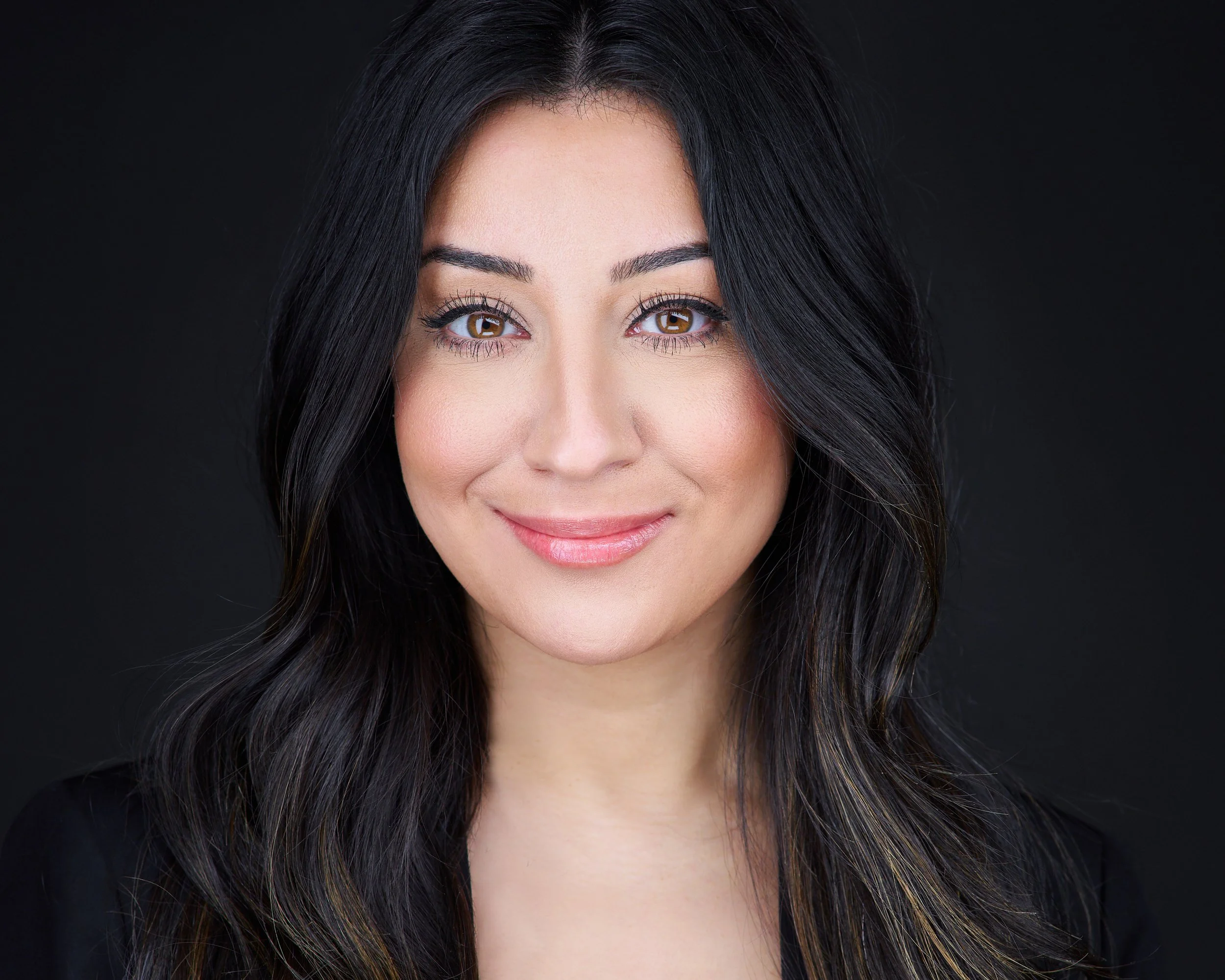

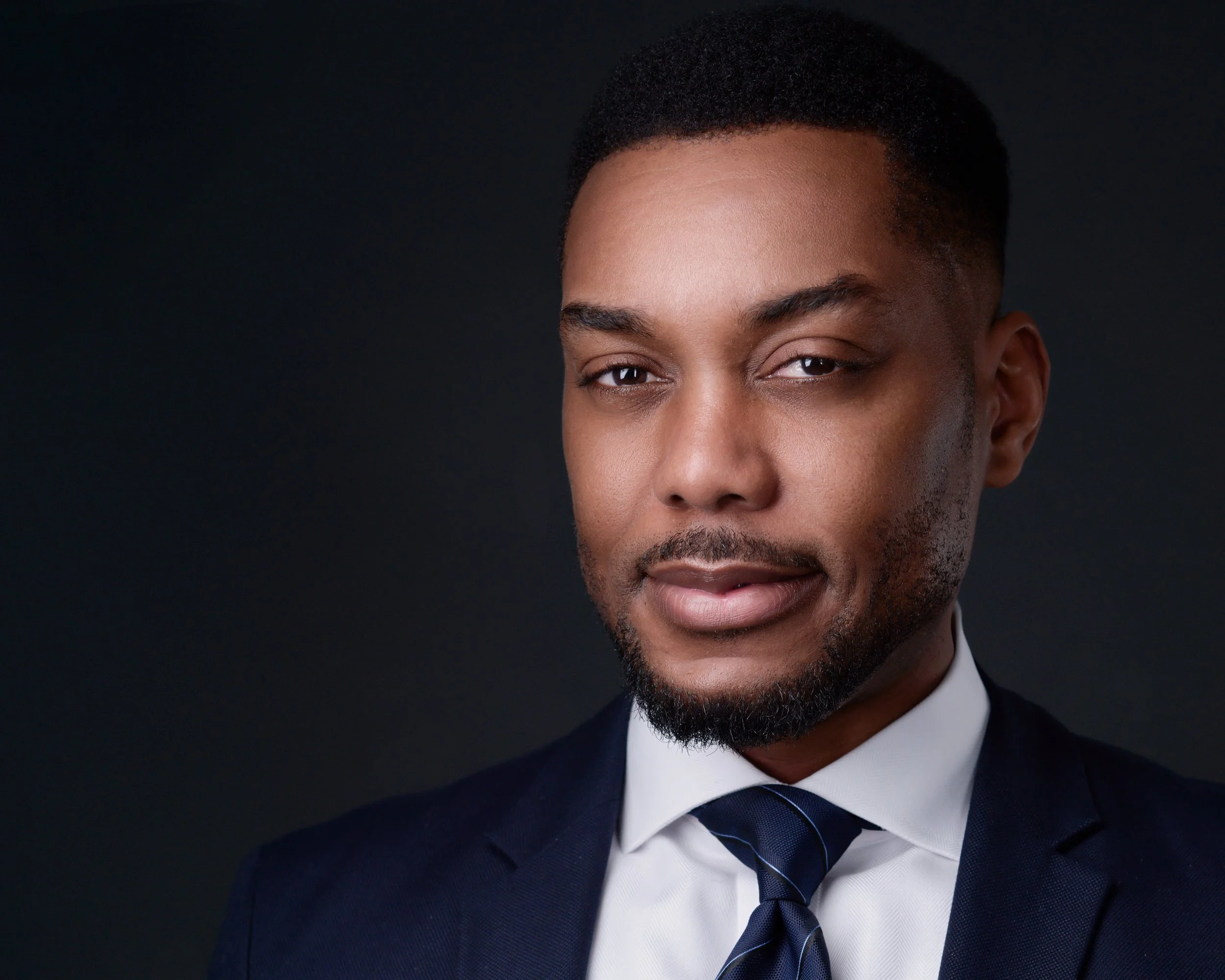

Ask yourself what the image needs to do. If it sits next to your name on a corporate site, it needs to read as credible at thumbnail size. If it’s leading your personal brand, it has more room to show personality. If you’re not sure, dress one notch above what you’d wear to an important meeting with a client. That’s almost always the right calibration.
Solid colors photograph better than anything else
Solid, mid-to-deep tones are the safest and strongest choice: navy, charcoal, forest, burgundy, deep grey, black. They hold their shape on camera, they don’t compete with your face, and they age well — you won’t look at this photo in three years and place it in a season.
What to be careful with:
Bright white. It reflects light back up and tends to blow out against a light background. An off-white or cream reads cleaner.
Neon and highly saturated brights. They bounce color onto your skin. A hot pink blouse can leave a magenta cast under your chin that takes real work to correct.
Anything matching the backdrop. Charcoal on a charcoal background makes you a floating head. Worth asking your photographer what background you’re shooting on before you pack.
Patterns: small is worse than big
This one surprises people. Tight, repeating patterns — narrow pinstripes, small checks, herringbone — can create a shimmering interference effect on a digital sensor. It’s called moiré, and it’s genuinely difficult to fix in post.
Larger, softer patterns are usually fine. A wide plaid or a loose print won’t cause problems. If you love a patterned piece, bring it, but bring a solid backup too.
Necklines and sleeves
Necklines frame your face, so they matter more than most people expect. A crew neck, a v-neck, a collared shirt, or a simple scoop all work. Very high turtlenecks can shorten the neck and make posture harder to read. Very low necklines pull attention away from your eyes in a tight crop.
Sleeves are worth thinking about even in a headshot. Most headshots include some of the arm and shoulder, and bare arms change the whole feel of the frame — often more casual than intended. Long or three-quarter sleeves keep the focus where you want it. If you’re shooting in summer and want short sleeves, that’s a real choice, just make it deliberately.
Fit matters more than the garment
If I could change one thing about how people prepare, it would be this. An inexpensive shirt that fits properly will photograph better than an expensive one that doesn’t.
Cameras are unkind to excess fabric. A jacket that’s slightly too large reads as sloppy across the shoulders. A collar with a gap at the neck reads as borrowed. Shoulder seams should sit at the edge of your shoulder, not below it. If something has been sitting in your closet since before the pandemic, try it on the week before, not the morning of.
And steam everything. Wrinkles that your eye edits out in the mirror are extremely visible in a 60-megapixel file.
Layers give you more images from one session
A blazer or jacket is the highest-value thing you can bring, because it doubles your looks in about fifteen seconds. Jacket on reads formal and authoritative. Jacket off reads approachable. Same lighting, same session, two genuinely different images for two different uses.
That’s usually the difference between leaving with one usable photo and leaving with a small library.
Grooming and timing
Haircut: one to two weeks before, not the day before. You want it settled, not sharp-edged.
Facial hair: trim it the way you actually wear it. Don’t experiment on shoot day.
Makeup: slightly more than daily, matte rather than dewy. Studio light amplifies shine. If you don’t normally wear makeup, don’t start now — it’ll feel like a costume and it’ll show in your expression.
Skin: avoid new products in the week before. This isn’t the moment to try a peel.
Glasses: bring them if you wear them daily, since a photo without them won’t look like you. Anti-reflective coating helps a lot. Some people keep an empty frame from their optician for exactly this reason.
Bring three options, not one
Even if you’re certain about your first choice. Something always looks different under studio light than it did in your bathroom mirror, and having options means we can solve that in thirty seconds instead of rescheduling.
Bring them on hangers. A shirt that spent the drive folded in a bag is a shirt we have to steam.
If you’re organizing a team shoot
Consistency beats uniformity. You don’t need everyone in the same color — that reads like a school photo. What you want is a shared level of formality and a palette that doesn’t fight itself.
The simplest approach that works: send your team a short note saying solid colors, business or business-casual, no logos, no bright neon. That’s enough structure to make the set look intentional without making anyone feel policed. I do this with every corporate headshot group I photograph.
What you don’t have to worry about
Posing, angles, what to do with your hands, whether you’re smiling right. That’s my job, and it’s most of what happens during a session. Every shoot I run is fully guided from the first frame — you’ll be told where to put your chin and when your shoulders are doing something strange.
You’re responsible for showing up in clothes that fit and are steamed. I’ll handle the rest.
Ready to book? Have a look at headshot sessions or get in touch and tell me what you need the images to do. The studio is in West Bloomfield, and I shoot on location throughout Metro Detroit.