
This is a fair question to be sceptical about. The internet is full of confident statistics about profile photos, most of them traceable to a marketing blog citing another marketing blog. So let us separate what is defensible from what is not.
What is actually true
Your photo is the most-viewed image of you that exists. It appears beside every comment, every message, every application, every search result you show up in. For most professionals it is seen far more often than any other photograph of them.
People form impressions from faces very quickly. The psychology research here is solid and long-standing — judgments of trustworthiness and competence from a face form in well under a second, and they are sticky. That is not marketing copy, it is a well-replicated finding.
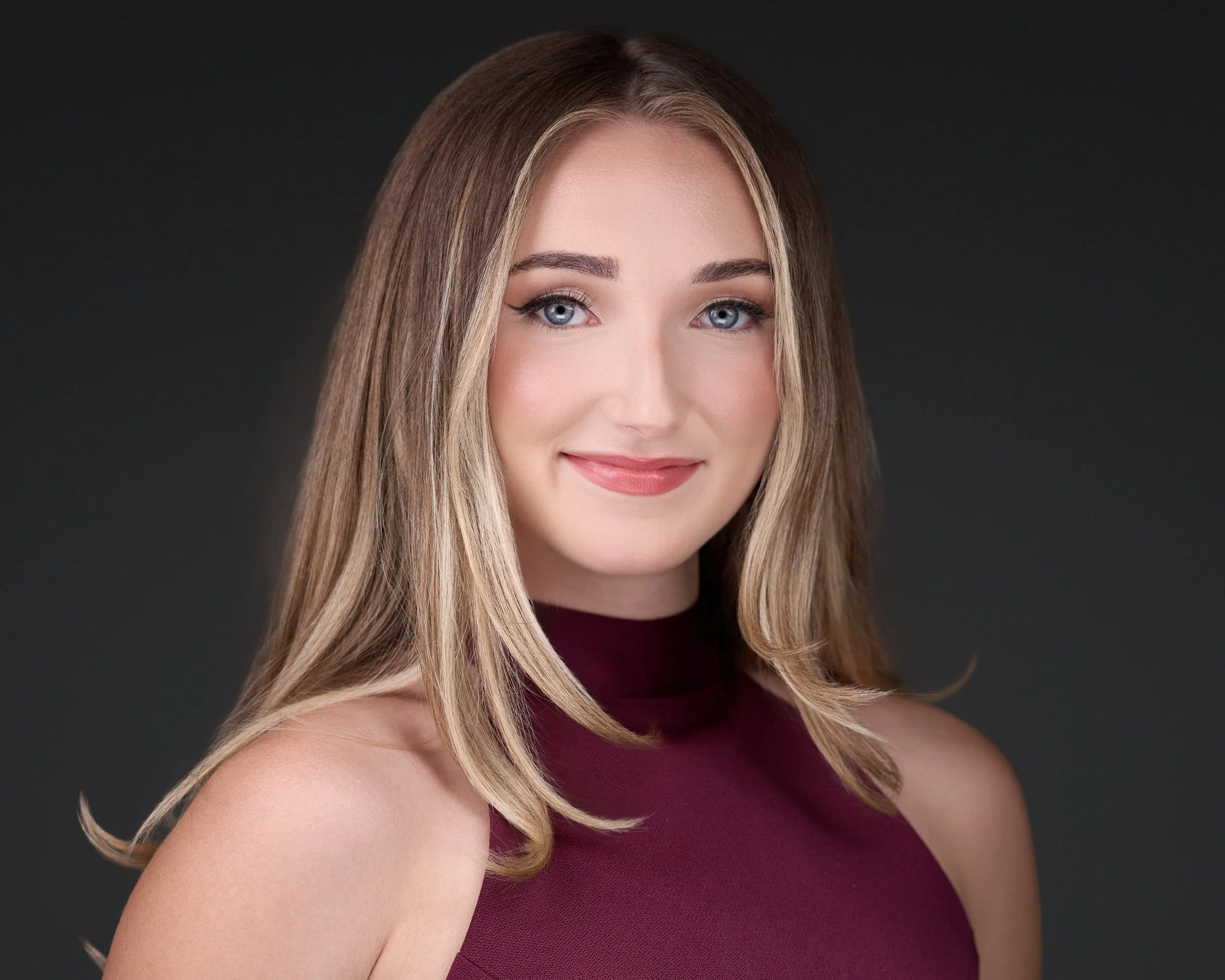

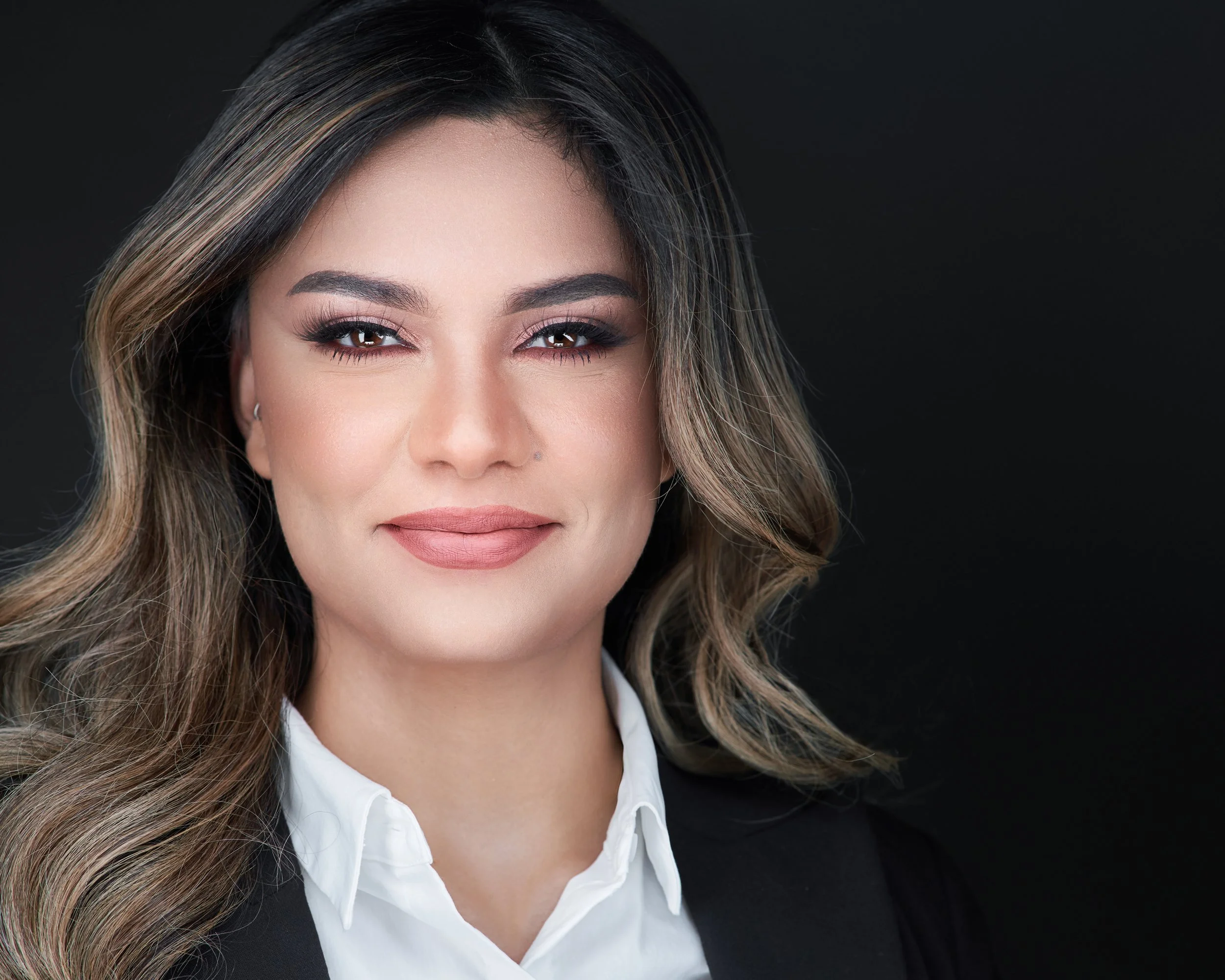
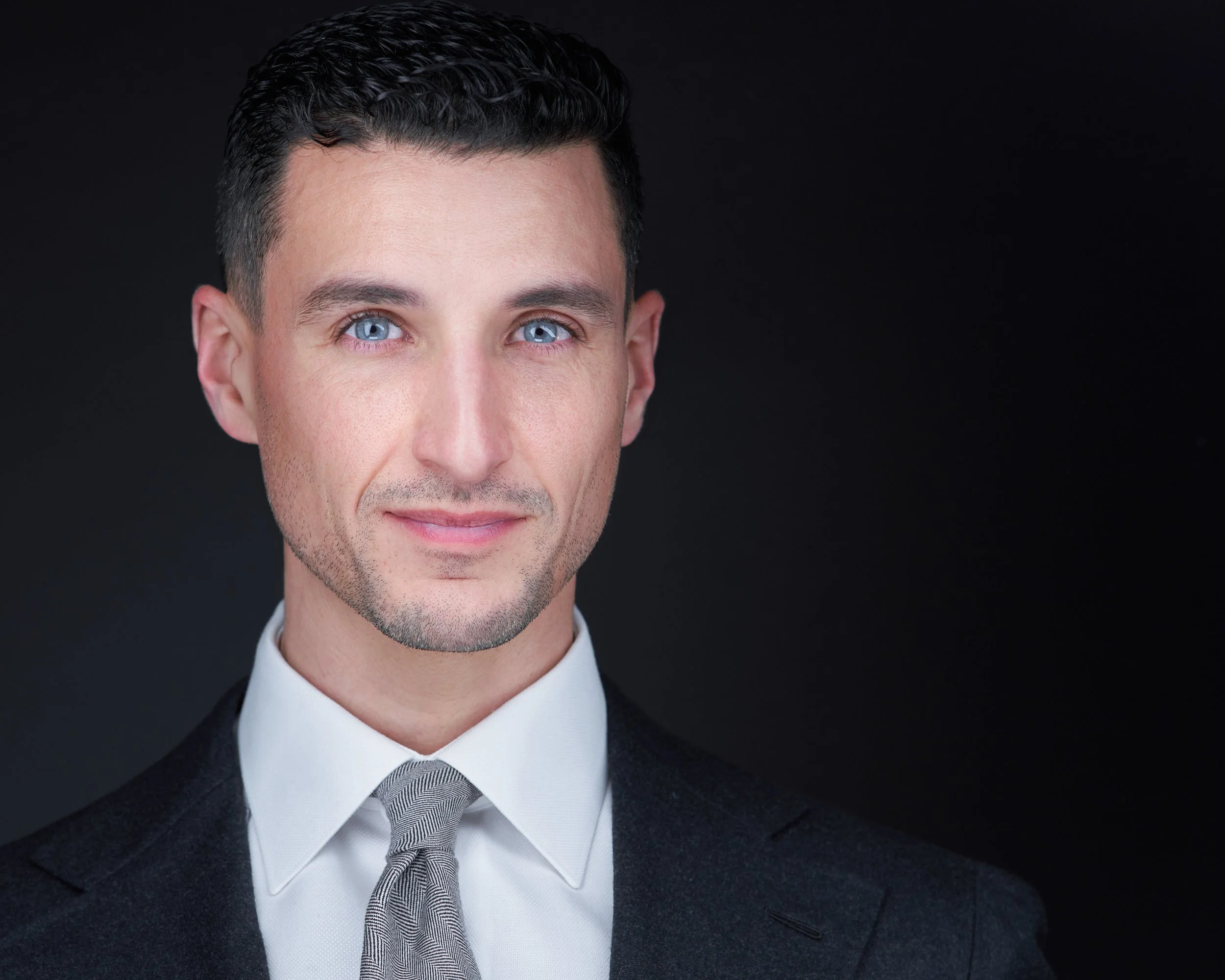
A photo affects whether people engage. A profile with no photo, or with an obviously careless one, gets less response. This is intuitive and consistent with how people behave online.
What is exaggerated
You will see very specific claims — “21 times more profile views”, “36 times more messages”. Those numbers circulate widely and are almost always attributed vaguely to LinkedIn itself. Treat them as directional at best. The honest version is: having a decent photo helps meaningfully, and nobody has a rigorous public number for how much.
I would rather tell you that than repeat a statistic I cannot stand behind.
Where a professional photo makes the biggest difference
The value is not uniform. It concentrates in a few situations:
You are actively job hunting. Recruiters scan quickly. Your photo is doing work before anyone reads a word of your experience.
You do business development. If you send cold outreach, your photo is attached to every message. It is part of the pitch whether you intend it or not.
You are client-facing in a trust-dependent field. Law, medicine, financial services, real estate, consulting. In these fields the photo is not decoration, it is evidence that you take your own presentation seriously.
You speak, teach, or publish. Conference programmes and press need a usable file. Sending a cropped phone photo to an event organizer is a bad look at a moment when you are being evaluated.
You are the face of your business. For founders and sole practitioners, the photo is the brand asset.
Where it honestly matters less
If you are in a role where nobody looks you up — some back-office and technical positions, some trades — the return is smaller. A clean, well-lit photo taken by a friend against a plain wall may be perfectly sufficient.
I am not going to tell you everyone needs a professional headshot. Some people genuinely do not, and a photographer telling you otherwise is selling.
What separates a professional shot from a good phone photo
If you do spend the money, the difference should be visible:
Lighting built for your face. Not overhead office light, not direct flash. Light shaped for your specific bone structure.
Eye-level lens height. The single most common error in amateur photos, and it flatters nobody.
Direction. The part that actually determines whether you like the result. Being told what to do with your chin, shoulders, and weight, continuously, is not something a friend with a good camera provides.
Retouching with judgment. Temporary things removed, permanent things left alone.
Crops that work. Square for the LinkedIn circle, horizontal for a website bio, from the same session.
The practical test
Pull up your current photo at thumbnail size — the size it actually appears in a feed, not full screen.
Can you tell it is you? Are your eyes clearly visible? Is anyone else’s shoulder in frame? Does it look like it was taken in the last three years?
If any of those answers is uncomfortable, that is your answer, and it has nothing to do with statistics.
What it costs to be wrong
The downside of a bad photo is not dramatic. Nobody rejects you outright over it. What happens is smaller and harder to see: slightly lower response rates, applied across every professional interaction you have online, for years.
That is the actual case. Not a multiplier from a blog post — a small, persistent edge on a very large number of interactions.
I photograph executives, founders, attorneys, and professionals across Metro Detroit from a studio in West Bloomfield. See headshot sessions, personal branding photography, or book a session.
If the answer is yes, the entry point is one image. A LinkedIn headshot in West Bloomfield is $200 for a single fully directed, retouched photo, delivered ready to upload.