
I hear it before almost every session. Usually in the first two minutes, usually delivered as a warning, like I should adjust my expectations.
“I should tell you — I’m not photogenic.”
It’s said by executives who run companies. By attorneys who argue in front of juries. By people who are, demonstrably, comfortable being looked at. And it is almost never true.

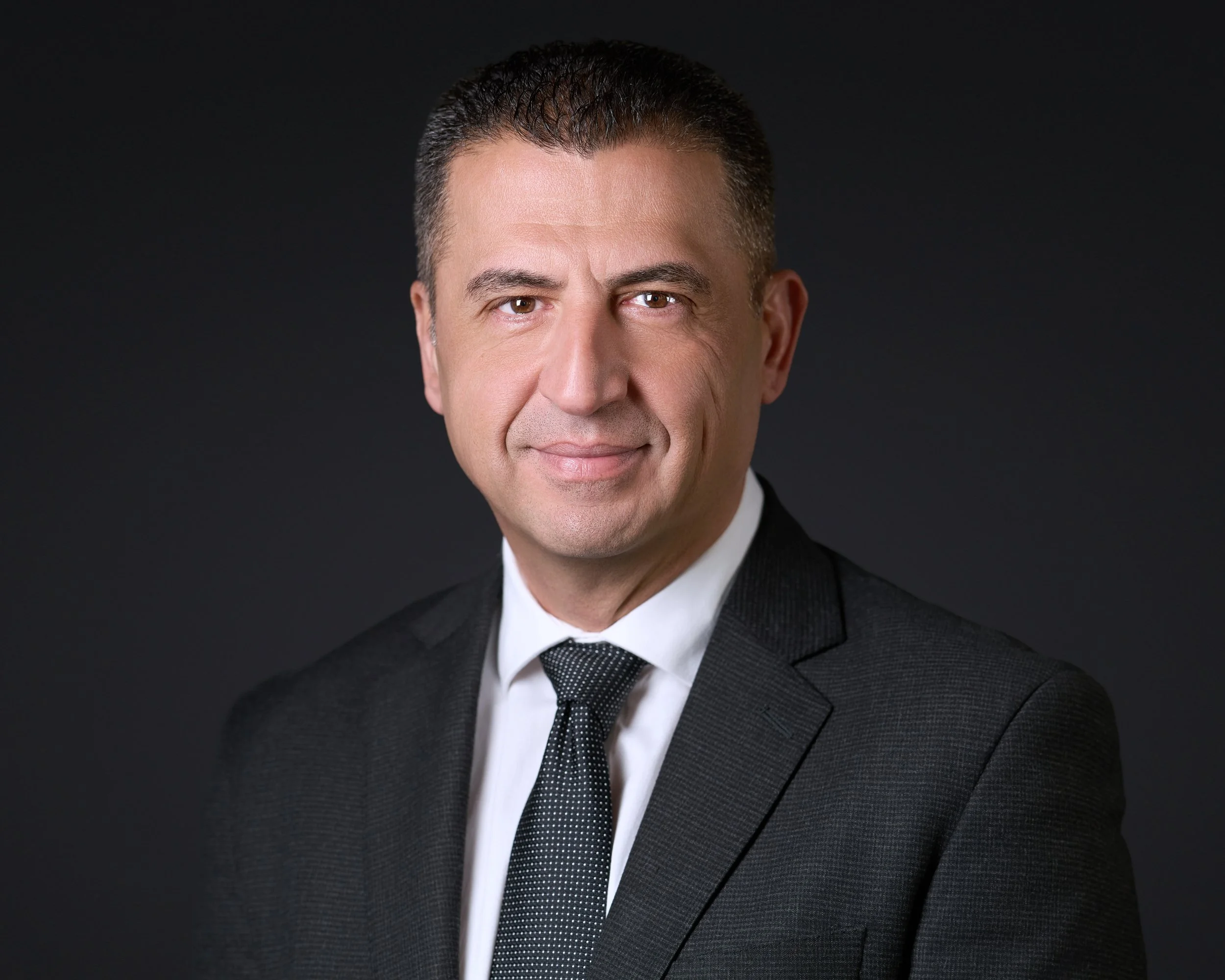
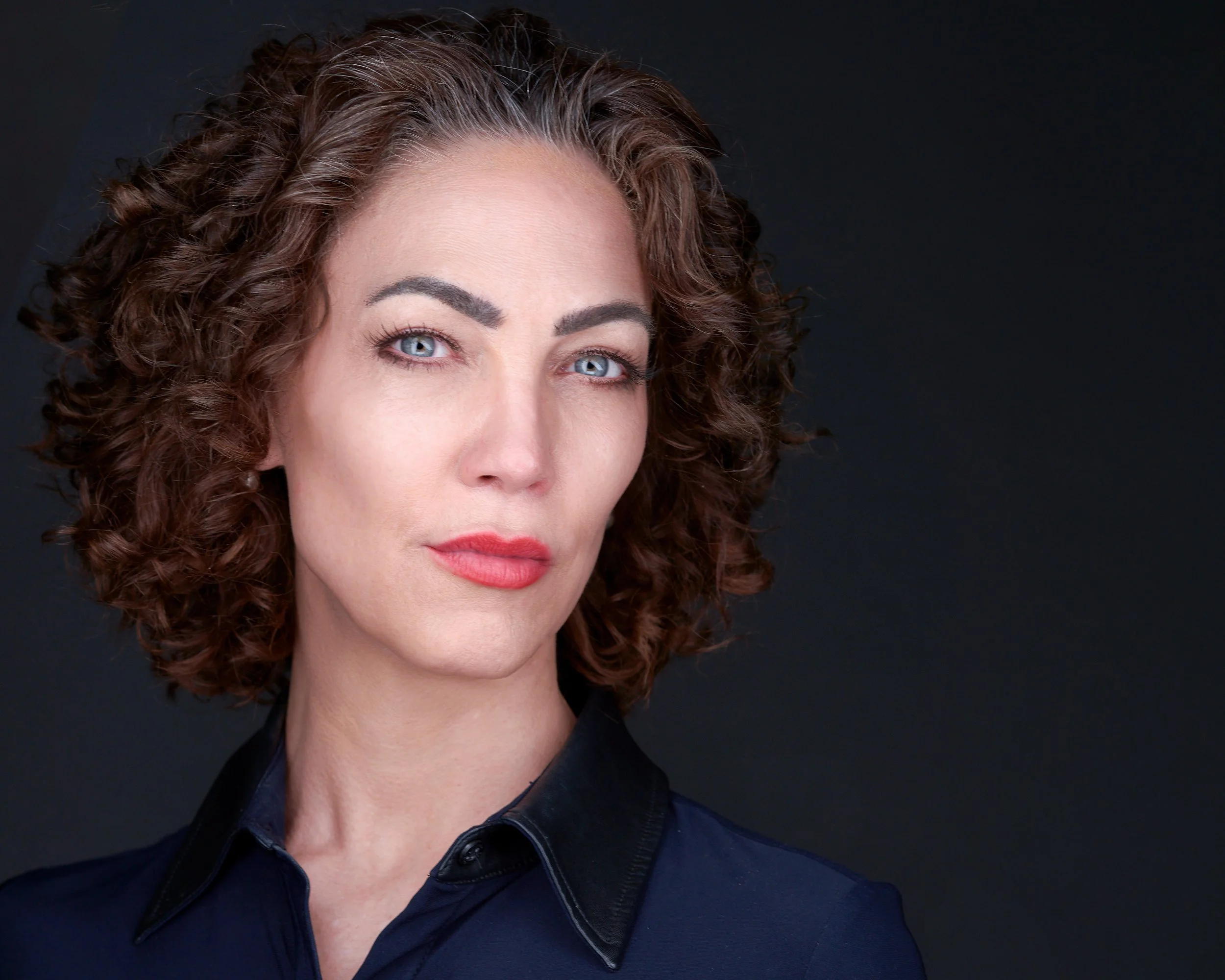
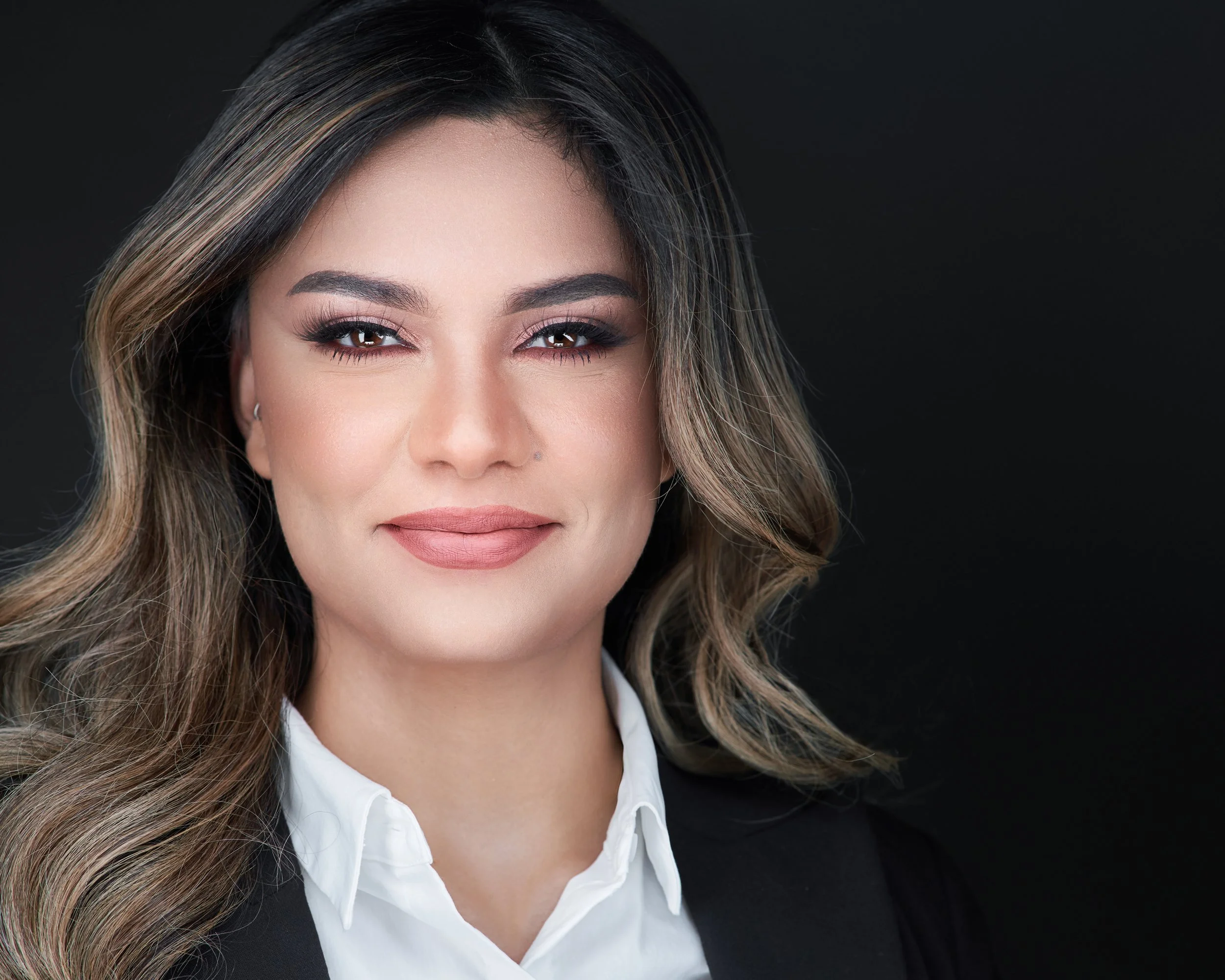
What people actually mean by it
When someone says they’re not photogenic, they’re usually describing one specific experience: they’ve seen photos of themselves that didn’t match how they think of themselves. That gap is real. The conclusion they draw from it is wrong.
Here’s what’s usually behind those bad photos.
They were taken from below. The single most common cause of a photo someone hates. A phone held at chest height, shooting slightly upward, compresses the jaw and adds weight under the chin. It has nothing to do with your face and everything to do with where the lens was.
They were lit badly. Overhead office lighting drops shadows into the eye sockets and under the nose. Direct flash flattens everything and makes skin shine. Neither is how anyone looks in person.
They were candid. People believe candids are more honest. Often they’re just poorly timed — caught mid-blink, mid-syllable, mid-thought. A single frozen frame from a moving face is a coin flip.
Nobody told them what to do. This is the big one, and it’s the one people never diagnose correctly. They blame their face. The actual problem was that someone pointed a camera and said “just be natural,” which is the least actionable instruction in the English language.
The mirror problem
There’s one more thing going on, and it’s worth naming because it explains a lot of the discomfort.
You have seen your face in the mirror tens of thousands of times. That reversed image is the version your brain treats as correct. A photograph shows you the unflipped version — the one everyone else has always seen. Faces aren’t symmetrical, so the two don’t match, and the difference registers as something being off even when nothing is.
This is a well-documented effect. People consistently prefer mirrored images of themselves and non-mirrored images of people they know. It isn’t vanity. It’s familiarity.
Which means part of learning to like photos of yourself is just exposure. The first good photo feels strange. The fifth one feels like you.
What direction actually looks like
The fix for most of this isn’t a better camera. It’s someone telling you what to do with your body, continuously, for the entire session.
Real direction is more specific and more physical than people expect:
- Push your forehead toward me slightly. Not your whole body — just the head.
- Drop your back shoulder about an inch.
- Weight on your back foot.
- Chin down a touch. Too far. Come back up half of that.
- Now look at the wall, and on three, come back to me.
That last one is a small trick that solves a real problem. A face arriving at the camera looks alive. A face that’s been staring into a lens for forty seconds looks like it’s waiting for something. Small resets keep the eyes engaged.
None of this requires talent from you. It requires being told, clearly, one instruction at a time.
The jaw thing
Since everyone asks: the reason photographers say “push your forehead forward” is that it lengthens the neck and separates the jawline from the neck line. It feels absurd. You will be convinced you look like a turtle. You do not — the camera reads it completely differently from how it feels.
That gap between what a pose feels like and what it looks like is most of why unguided photos fail. Your instincts about your own body in front of a lens are unreliable, and there’s no reason they would be otherwise. You’ve had no practice.
Expression is the whole game
Anyone can light a face. The difference between a competent headshot and one that actually works is whether the expression belongs to the person.
Forced smiles are easy to spot — the mouth moves and the eyes don’t. What you want instead is something closer to how you look when you’ve just understood something, or when you’re about to say something you’re confident about. Getting there is mostly conversation. I talk through the entire session, and the frames I keep are usually the ones taken while someone was mid-response to a question, not the ones where I said “okay, smile.”
If you leave with an image that looks like you on a good day, that’s the job done. Not a stranger. Not a filtered version. You, lit properly and caught at the right half-second.
What to expect if you book
You will not be handed a camera-ready face and left to figure it out. Every session I run is guided start to finish — where to stand, what to do with your hands, when to look away and come back. You’ll see images on screen as we go, so you’re not waiting until the gallery to find out how it’s going.
Most people relax somewhere around the eight-minute mark. Almost everyone says some version of “that was easier than I thought” on the way out.
You don’t have to be photogenic. You have to show up and be told what to do for forty minutes.
Book a session, see headshot packages, or read more about how I work.