
Searching for a headshot photographer produces a wall of similar-looking websites, all showing their best single frame from a hundred different sessions. That tells you very little about what your session would produce.
Here is what actually distinguishes one from another, and what to ask.
Look at a full set, not the highlights
This is the most useful thing you can do, and almost nobody does it.
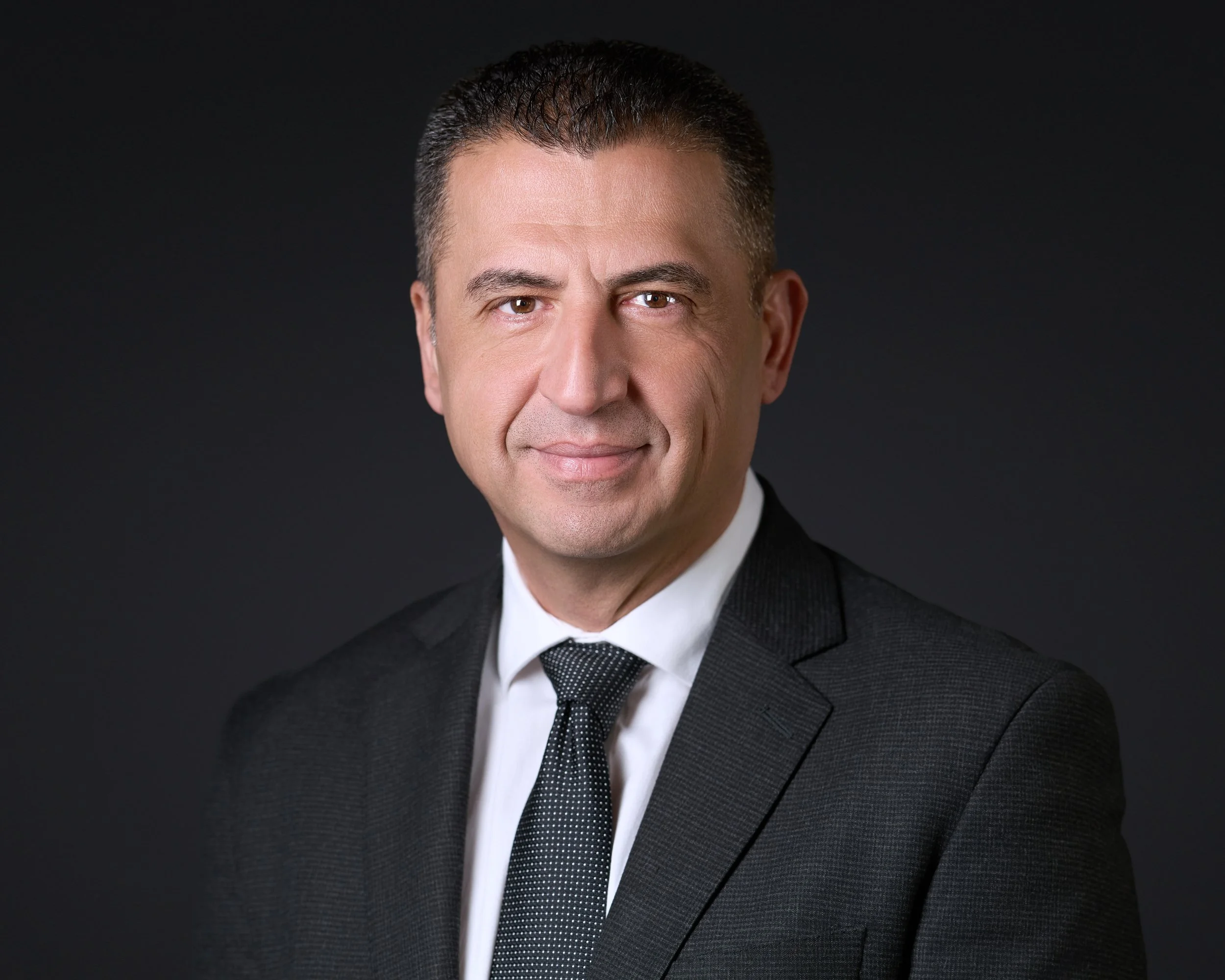
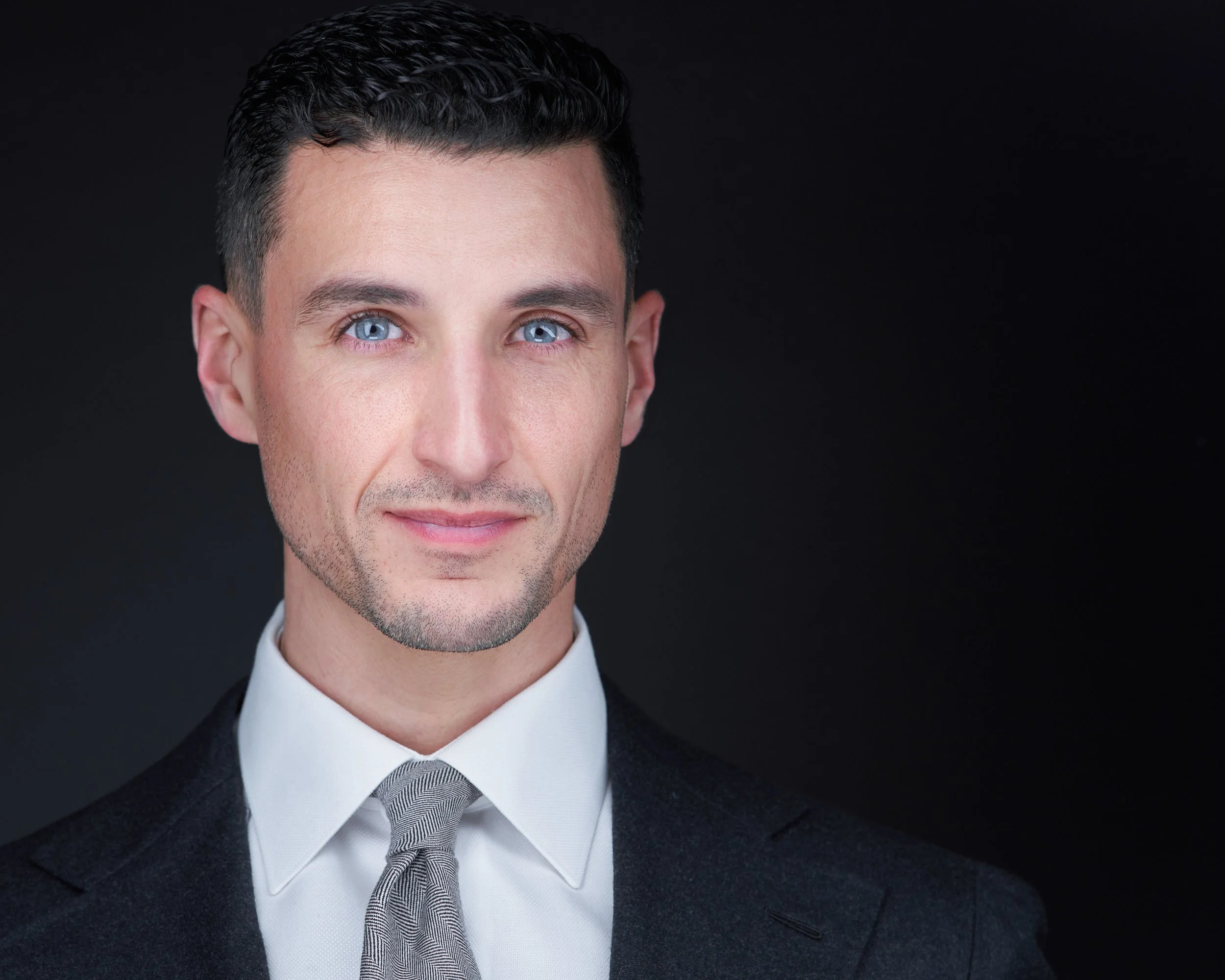
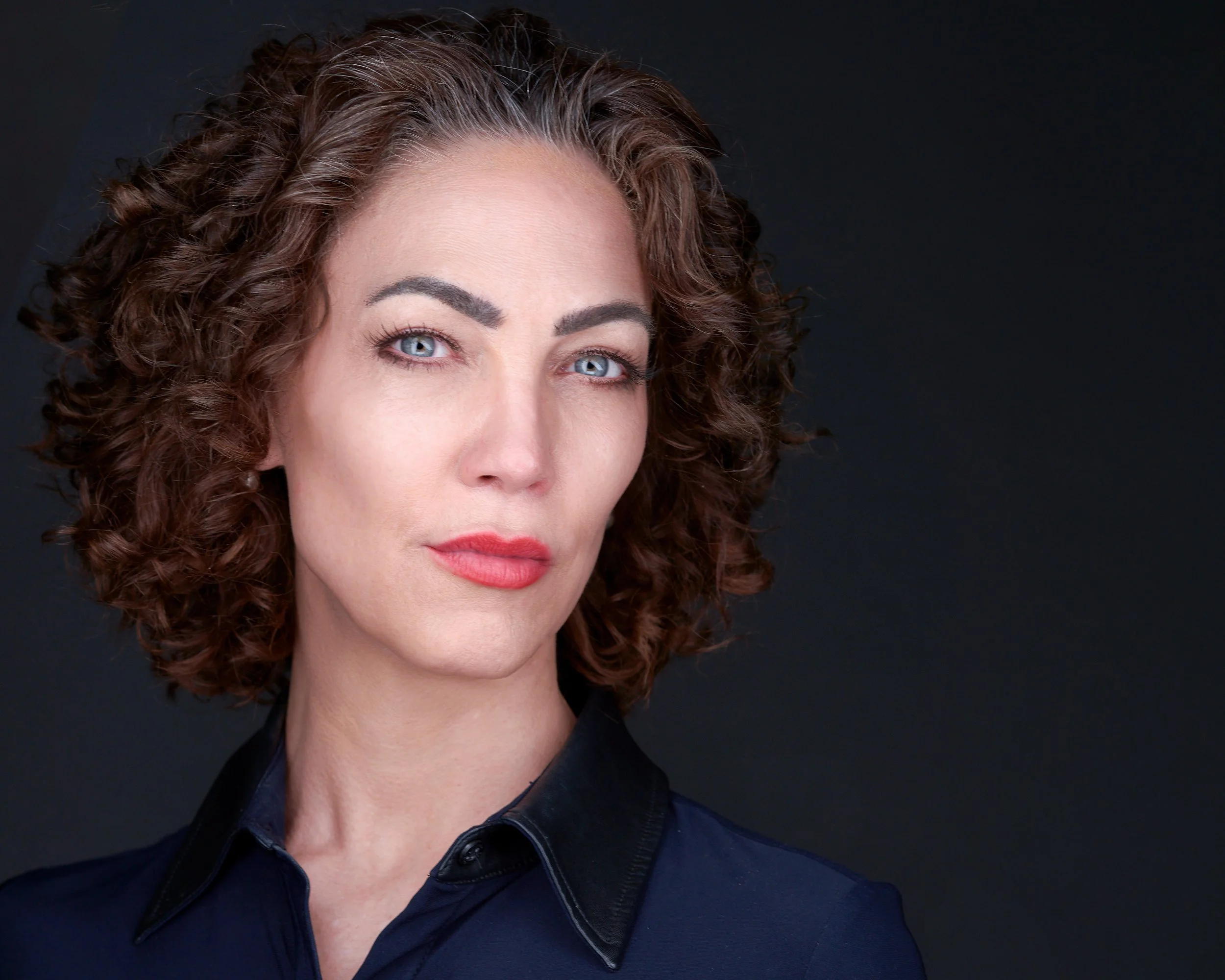

A portfolio is a greatest-hits reel. Every photographer has twenty frames they are proud of. What you are buying is not the best photo they have ever taken — it is the average photo they take, applied to you.
Ask to see a complete set from one corporate session. Twelve people, same day, same setup. If those twelve images look consistent, well lit, and like twelve different people who all look good, that is meaningful evidence. If the portfolio is strong but nobody will show you a full set, that tells you something too.
Understand what “cinematic” actually means
The word gets used loosely. When it means something, it refers to lighting that has direction and shadow rather than being flat and even.
Standard corporate headshot lighting is soft and frontal — it minimizes shadow, it is safe, it is what most volume work produces. Cinematic lighting keeps deliberate shadow on part of the face, adds depth, and looks closer to a film still or an editorial portrait than a badge photo.
Neither is objectively better. A conservative law firm may specifically want the safe version. A founder, creative director, or speaker often wants the one with more depth and personality. What matters is that the photographer can do both and asks which you want, rather than applying one look to everyone.
The questions worth asking anyone
- How much time per person? This is the biggest predictor of whether you will like the result. Four minutes and twenty minutes are different products.
- Will I be directed? Ask explicitly. “Do you coach posing and expression, or do I stand where you point?” The answer separates most photographers.
- Do I see images during the session? Reviewing on screen as you go lets you course-correct. Waiting for a gallery does not.
- Who chooses the final images? You should.
- What does retouching mean here? Individual hand retouching and a batch filter are both called “retouching included.”
- What are the usage rights? Some licenses are web-only, which becomes a problem the day you need a print file.
- Studio, on-location, or both? And what happens if my office room is small.
Local considerations in Metro Detroit
A few things specific to working here.
Travel matters more than people think. West Bloomfield, Birmingham, Troy, Southfield, and downtown Detroit are all reasonable drives from one another, but pulling twelve employees across the metro for a session costs more in lost hours than the session itself. If your team is large, on-location is usually the right call.
Winter is real. From roughly November to March, outdoor and natural-light sessions are unpredictable. Studio work is unaffected, which is worth factoring into scheduling.
Ask whether they actually shoot here. Some listings are national services subcontracting to whoever is available. That is not inherently bad, but it means the person who shows up is not the person whose portfolio you looked at. Ask directly: will you personally be the photographer?
Price is not the useful signal
Corporate headshots in this market run roughly $150 to $600 per person, and the range reflects real differences in time, lighting, and retouching rather than arbitrary positioning. There is a fuller breakdown in what corporate headshots cost in Michigan.
What matters is comparing like with like. A quote that includes twenty minutes per person, individual retouching, and full-resolution files with broad usage is not the same product as one that includes four minutes and a single web-sized JPEG, even though both are “a headshot.”
Where I fit
I shoot from a studio in West Bloomfield and on location throughout Metro Detroit — individuals, founders, attorneys, physicians, and full corporate teams. Every session is one-on-one and fully directed. Lighting is built for the individual rather than set once and left. Retouching is done by hand.
Published in LFI Magazine and Portrait Magazine, and shot on Leica.
If you are comparing options, ask me the seven questions above. If another photographer answers them better for what you need, book them.
View headshot sessions · Corporate and team headshots · Get in touch