
This question comes up on almost every corporate inquiry, and the honest answer is that both work. They solve different problems, and the right choice depends far more on your team’s calendar than on image quality.
Here is the actual tradeoff.
The case for the studio
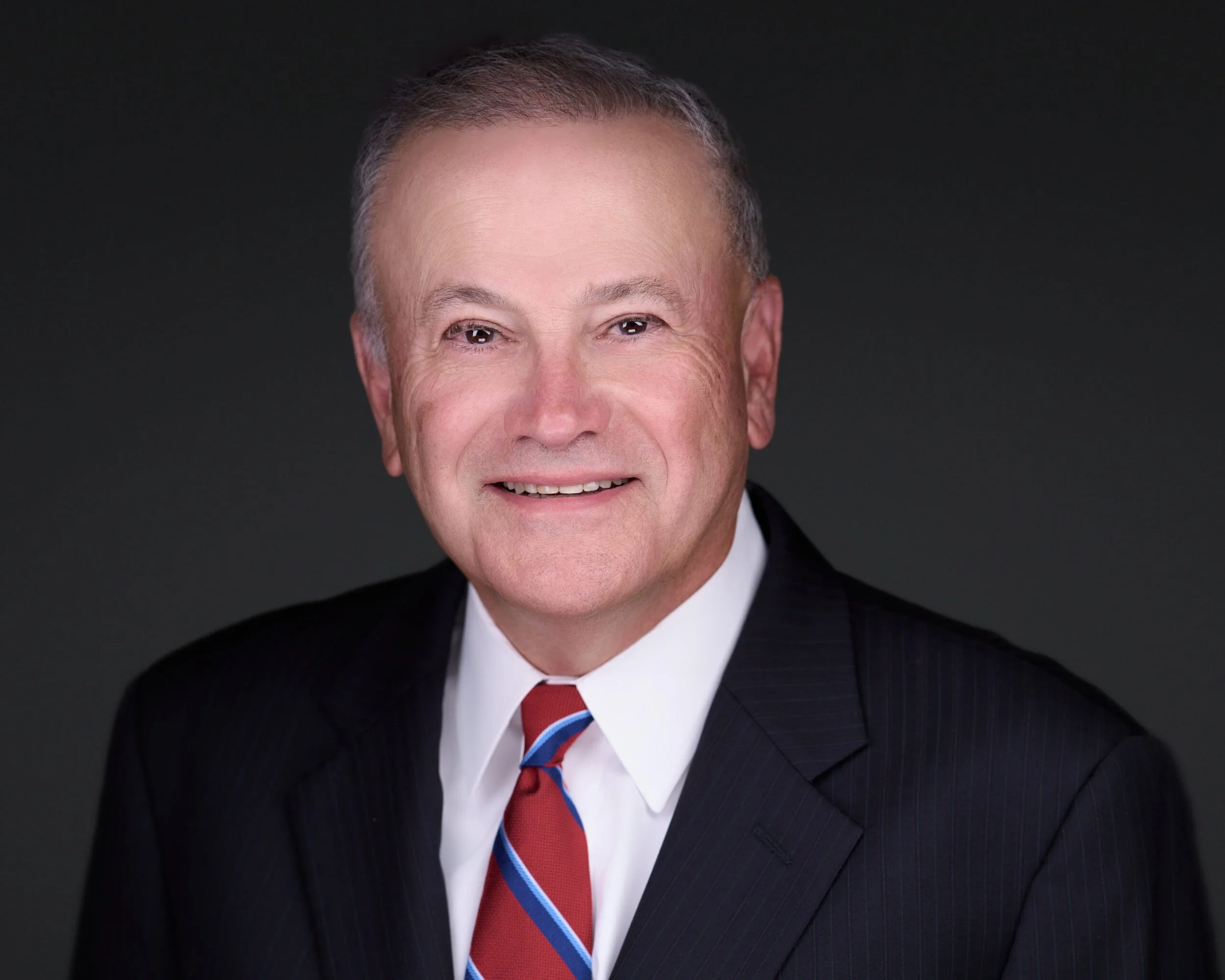
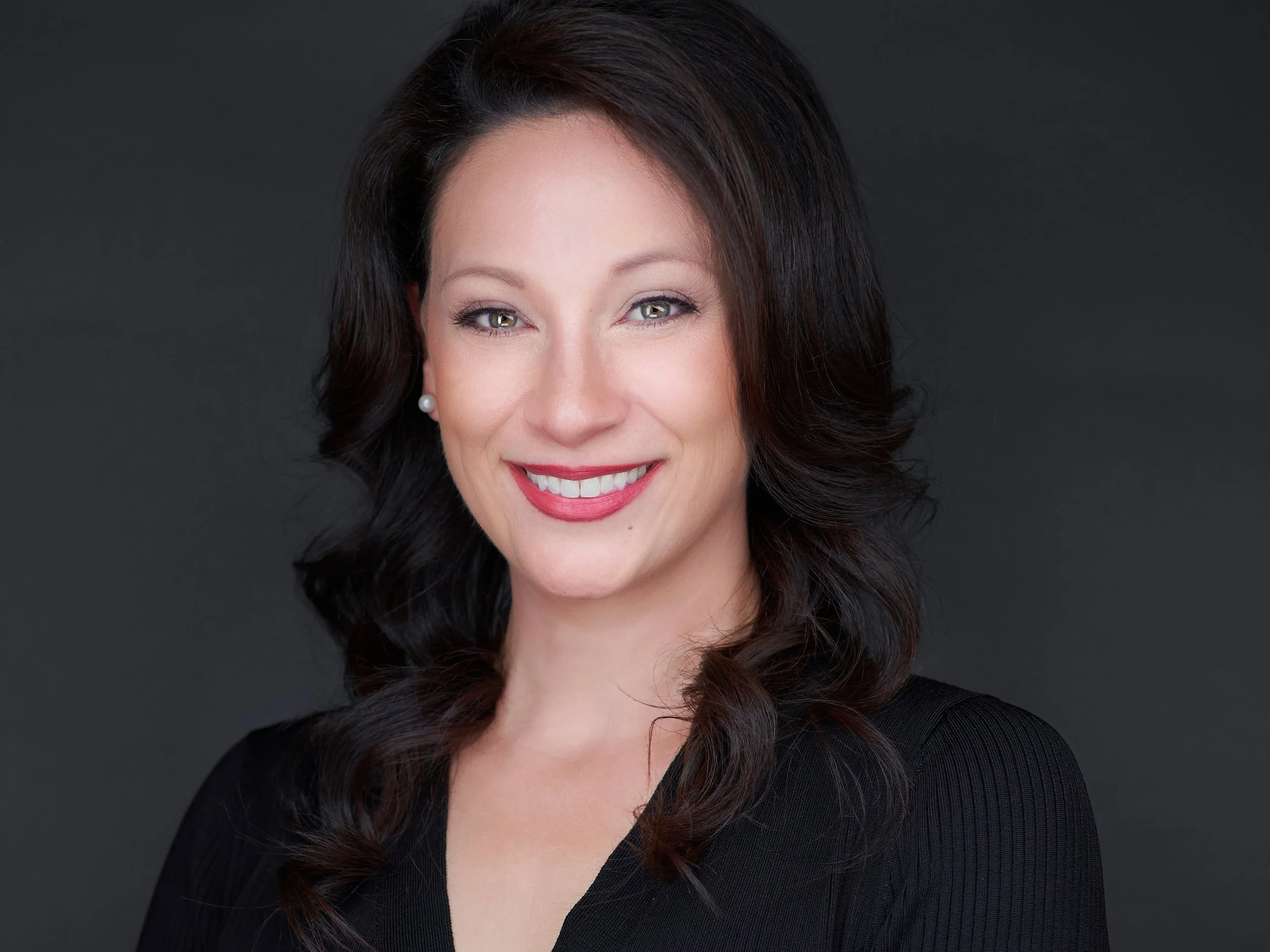
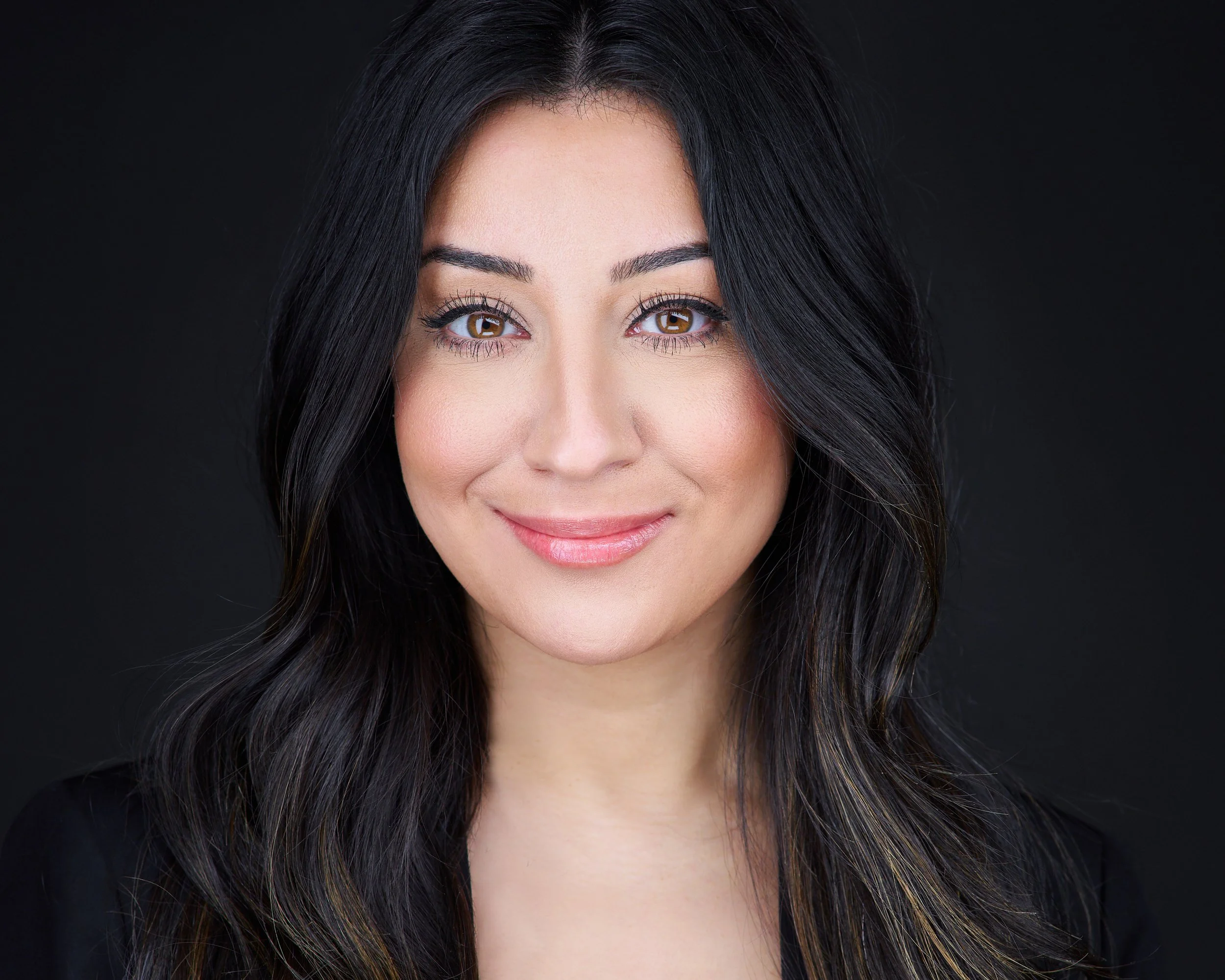
A studio is a controlled room. The light does not change when a cloud passes. The background is the same for the first person and the fortieth. There are no windows throwing colour onto anyone’s face, no fluorescent ceiling fighting the key light, no conference room that has to be given back at two o’clock.

That control produces two things worth paying for.
Consistency. If your leadership page needs twelve headshots that look like a set, the studio delivers that without effort. Everyone gets the same light, the same distance, the same background. Nobody looks like they were photographed on a different day, because visually they were not.
Time to actually shoot. In a studio the setup already exists. All the session time goes into photographing you rather than into building and tearing down.
The cost is travel. Twelve people driving to West Bloomfield is twelve people out of the office for longer than the session itself.
The case for on-location
On-location means the lighting setup comes to you and gets built in a conference room, lobby, or empty office.
It protects the working day. People step away for fifteen minutes and go back to their desk. For a firm where everyone bills by the hour, that difference is usually the entire decision.
Attendance is much better. When a session is down the hall, people show up. When it requires a drive, three people reschedule and two never do — and then your team page has gaps for a year.
Environmental context is available. If you want part of the set shot in your actual space — the office, the workshop, the kitchen — that only happens on location.
The cost is setup time, a bit more per person on smaller groups, and dependence on the room you have. A low-ceilinged room with strong overhead fluorescents is harder to work in than a studio, though it is entirely workable.
How the room affects things
If you are leaning on-location, the space matters more than people expect. What helps:
- Ceiling height. Higher is better. Light gets shaped above and behind the subject.
- Roughly ten by fifteen feet of clear floor. Less is workable, but it limits background separation.
- A wall that is not a distracting colour. Or none at all — a backdrop can be brought.
- A door. Sessions go better when people are not being watched by the whole floor.
None of this is a dealbreaker. It just changes what the images look like, and it is better to know that in advance than to discover it on the day.
Which one for which situation
Choose the studio if: you are an individual or a small group, consistency across a team page is the priority, you want multiple backgrounds and lighting looks, or you have no suitable room.
Choose on-location if: you have more than roughly eight people, your team bills hourly, attendance has been a problem before, or you want the workplace visible in some frames.
Combine them if you have leadership who need a more considered portrait and a wider staff who need clean, consistent headshots. Leadership comes to the studio, everyone else gets photographed on site.
What does not change either way
The part that determines whether you like your photo is direction, and that is identical in both settings. You get coached through posture, angle, and expression the same way regardless of the room. The lighting is built for your face rather than set once in the morning and left alone.
The room changes logistics and background. It does not change whether the photograph looks like you on a good day.
Getting a straight answer for your situation
Tell me roughly how many people, where you are, and whether pulling the team off-site is realistic. I will tell you which makes more sense — including when the studio is the wrong call.
I shoot at the West Bloomfield studio and on location throughout Metro Detroit.
See corporate headshot sessions, individual headshots, or request a quote.